Rajaji Safari Hub
Jeep Safari —
The Gypsy Experience
An open-top Gypsy, a certified naturalist guide, 820 sq. km of untouched Shivalik forest — and the real chance of a Bengal tiger stepping onto the road 10 metres ahead. North India's most rewarding and underrated wildlife experience.
What is a Jeep Safari in Rajaji Safari Hub?
A jeep safari in Rajaji National Park — locally called a Gypsy safari — is the primary, most popular and most recommended way to explore the jungle. You board an open-top, six-seater Maruti Gypsy accompanied by a Forest Department-certified naturalist guide and enter the core zone of Rajaji Tiger Reserve at first light.
Unlike closed vehicles or walking trails, the open Gypsy gives you a 360-degree view of the forest — essential when a tiger is spotted through the tree line, an elephant herd is crossing the road ahead, or a crested serpent eagle lands on a branch five feet from your jeep. The elevated seating height puts you at eye level with the forest mid-storey.
Your naturalist guide reads the forest like a book — interpreting fresh pug marks in the mud, decoding alarm calls from spotted deer and langurs, and navigating to waterholes and grassland edges where wildlife concentrates. Every Rajaji jeep safari is unique. No two mornings in the forest are the same.
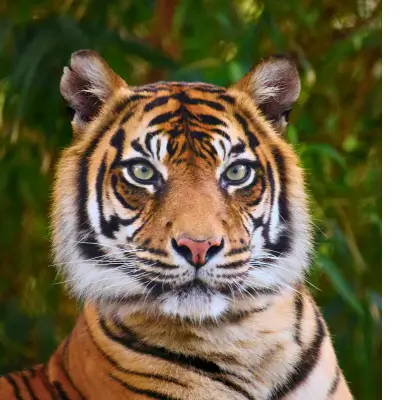
What Happens During a Rajaji Jeep Safari?
A realistic walkthrough of a morning jeep safari in Chilla zone — Rajaji's most popular and wildlife-rich route.
Arrive 15–20 minutes before your slot. Your naturalist guide meets you at the gate, checks your permit and ID, briefs you on safari rules, and gives you a quick overview of what wildlife to expect that morning based on recent sightings.
The gates open and your Gypsy rolls into the silence. The air smells of damp earth and sal leaves. A spotted deer family freezes on the trail ahead. A langur alarm call echoes from the canopy — something has moved in the undergrowth. The safari has begun.
The jeep moves slowly through the forest. This is peak bird activity — a crested serpent eagle perched overhead, pied kingfishers hovering over the canal, a woodpecker working a dead tree 8 metres away. Fresh tiger pug marks appear in the mud — last night's activity.
The Gypsy parks quietly 80 metres from the main waterhole. A herd of 12 elephants emerges from the tree line — matriarch first, then calves, then younger males jostling at the edges. The guide whispers: "this herd has been here every morning this week." Everyone is silent. Even the forest seems to hold its breath.
The guide navigates the Chilla canal road — a long, open stretch alongside the water channel where most tiger sightings happen. A distant alarm call. The jeep moves forward slowly. A flash of orange between the trees — then she steps onto the road. A tigress, unhurried, magnificent. The guide switches off the engine. Everyone holds their breath for 40 unforgettable seconds.
The return route swings through the Ganga riverine grasslands — Gharials basking on sandbanks, smooth-coated otters sliding along the bank, a crocodile disappearing into the water. The forest road back passes through a grove of old sal trees so tall and straight they feel like pillars of a cathedral.
Your guide submits the safari log at the gate — recording species sighted, location and time. Most visitors immediately ask: "Can we book again for the evening slot?"
What Wildlife Can You See on a Rajaji Jeep Safari?
Sighting probabilities based on zone, season and time of day — updated for 2025–26 season.
Chilla zone — herds of 10–50 visible almost daily on morning safaris
All zones — hundreds visible daily along forest roads
All zones — especially near waterholes and river edges
All zones — canopy troops active throughout the day
Peak activity on morning safaris — hornbills, eagles, kingfishers
Chilla zone — basking on Ganga river sandbanks
Chilla & Motichur zones — best on morning safaris Nov–Mar
Motichur & Ranipur zones — rocky terrain and broken forest
Ganga riverine areas in Chilla zone
Motichur & Mohand zones — dawn and dusk
Pre-monsoon season, forest road edges
Rocky ridge terrain — only zone in North India
Jeep Safari in Each Zone — What to Expect
A different forest experience in every zone — here's what the jeep safari offers in each one.
The Chilla zone jeep safari is the most sought-after safari in Rajaji National Park. It covers the largest area and includes the iconic Chilla canal road that runs alongside the forest water channel, the Ganga riverine grasslands, and dense interior sal forest that is prime tiger territory. Elephant herds are seen almost daily on morning safaris. The Ganga river banks offer a bonus — gharials basking on sandbanks and smooth-coated otters in the shallows are a regular sight.
Chilla Zone Full GuideThe Motichur zone jeep safari is Rajaji's second most popular route — and the undisputed best for birdwatchers and leopard enthusiasts. The broken, hilly terrain creates excellent leopard habitat — rocky outcrops, dense undergrowth and a network of dry stream beds where leopards ambush prey. Over 200 bird species have been recorded here alone. Motichur is also the closest zone to Haridwar city at just 8 km — ideal for early morning access.
Motichur Zone Full GuideThe Ranipur zone jeep safari offers the most private and remote experience in Rajaji. The rocky Shivalik ridges are unlike any other — steep, dramatic terrain covered with chir pine that harbours the Himalayan Goral, a mountain goat rarely seen in other Indian national parks. Ranipur typically sees very few visitors on any given day — the ideal choice for solo travellers, serious wildlife photographers, and anyone who wants a jeep safari without sharing the road with five other jeeps.
Ranipur Zone Full GuideThe Mohand zone jeep safari is the most convenient option for visitors based in Dehradun. While it receives fewer visitors than Chilla or Motichur, Mohand has consistent deer sightings, good bird activity, and a peaceful jungle atmosphere. The forest roads pass through dense sal groves and open scrubland transition zones — ecotones where wildlife diversity is highest. A perfect choice for families who want a hassle-free jungle experience without the long drive to Haridwar.
Mohand Zone Full GuideRajaji Jeep Safari Charges 2026
All charges are per vehicle — the more people share one Gypsy, the lower the per-person cost.
+ ₹150 entry fee per adult person
- Open-top Gypsy jeep (6 seats)
- Certified naturalist guide included
- Morning OR evening slot
- 3.5 hours · 25–35 km route
- Valid for all 4 jeep safari zones
- DSLR camera permit: ₹200 extra
+ ₹600 entry fee per adult person
- Open-top Gypsy jeep (6 seats)
- Certified naturalist guide included
- Morning OR evening slot
- 3.5 hours · 25–35 km route
- Valid for all 4 jeep safari zones
- DSLR camera permit: ₹500 extra
Even solo bookings pay the full Gypsy charge
- Complete privacy — no shared jeep
- Customize safari route with guide
- Photographer's ideal setup
- Guide focuses only on your goals
- Best for couples & solo travellers
- Can request slower pace, more stops
Pro Tips for the Best Jeep Safari Experience
Hard-won insights from naturalists and repeat visitors — maximise your wildlife sightings.
The first two hours after sunrise (6–8 AM) are when tigers, leopards and elephants are most active. Animals are returning from overnight hunts, visiting waterholes, and moving between territories. If you can only do one safari, make it morning.
Wildlife sightings are almost always preceded by silence. When your guide stops the jeep and cuts the engine, stay completely still. Animals are triggered by sound and movement. The groups that stay silent consistently see more.
Spotted deer and langurs give loud alarm calls when a tiger or leopard is nearby. When you hear a deer alarm call in the distance, have your camera ready. A sighting is often 2–5 minutes away when the calls begin.
Wildlife in Rajaji is at safe, natural distances — usually 30–100 metres. A phone camera is useful for elephants at close range but will disappoint for tigers, birds and leopards. A 200–400mm telephoto lens makes a huge difference.
An open-top Gypsy moving at 20 kmph in December at 6 AM is genuinely cold — temperatures drop to 4–8°C. Even if the afternoon is warm, wear or carry a fleece for the morning safari. Cold and excited is still great; just cold is not fun.
The best Rajaji experience is two safaris: a morning Chilla zone safari on Day 1 and an evening Motichur zone safari on Day 2. The forest shows a completely different face in morning vs evening light, and different zones have different wildlife.
Most visitors avoid Rajaji in May–June due to heat. But this is when water sources shrink and all wildlife concentrates near the remaining waterholes — tiger sightings actually increase in May. Slot availability is excellent. An insider's secret.
Your naturalist guide has worked the same zone for 15–20 years. Before the safari, tell them your specific interests: "I'm a birdwatcher" or "I'm photographing for a project." Guides tailor the route when they know what matters to you.
The Rajaji Jeep Safari Experience — In Numbers
The total area of Rajaji Tiger Reserve that your jeep safari explores — one of the largest protected areas in North India's Himalayan foothills.
Each morning or evening slot gives you 3.5 uninterrupted hours inside the core zone — enough to cover 25–35 km of forest road with multiple wildlife stops.
From Bengal tigers to smooth-coated otters, Rajaji supports over 50 mammal species in its diverse Shivalik-to-riverine habitats — all accessible on a single jeep safari.
The total per-person cost of a morning jeep safari for a group of 6 Indian adults sharing one Gypsy. One of India's best wildlife value propositions.
Jeep Safari FAQ — Rajaji Safari Hub
Plan the Rest of Your Rajaji Visit
Ready for Your Rajaji Jeep Safari?
Morning safari slots in Chilla zone fill within 48 hours during peak season. Secure your jeep now before your preferred date sells out.